


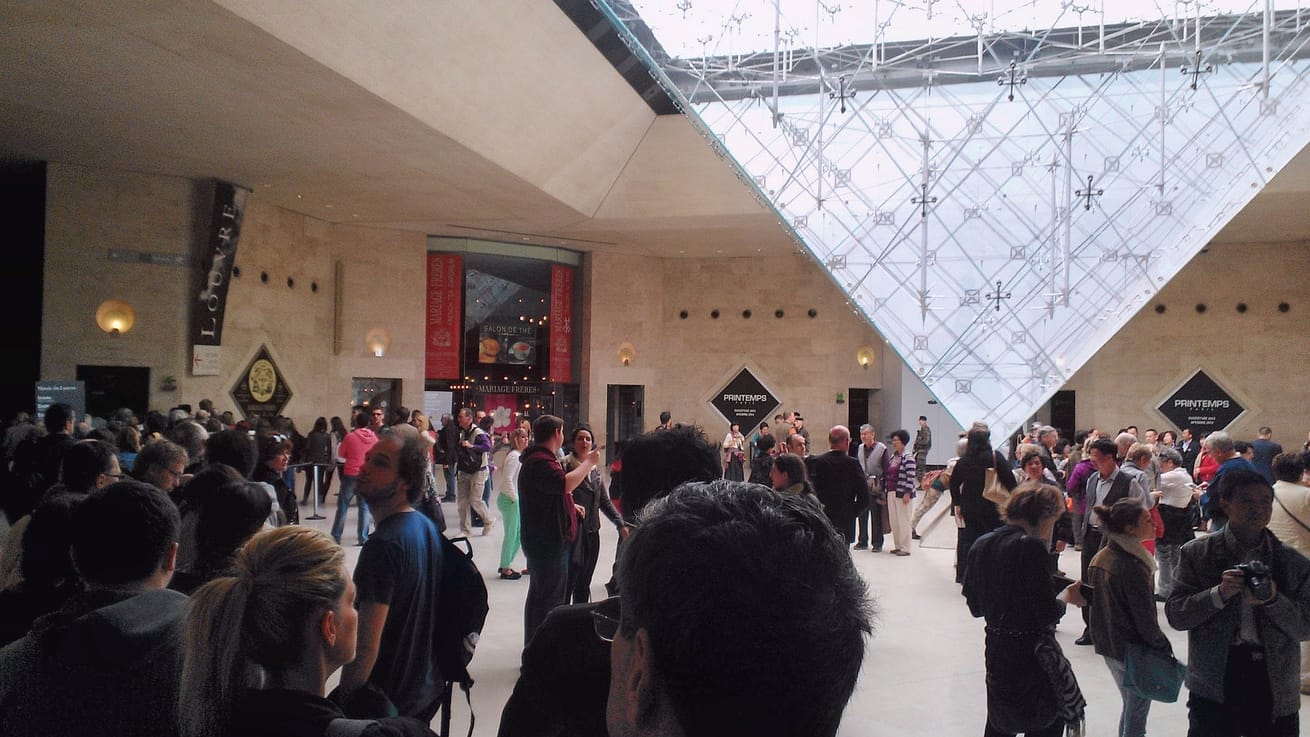
We asked ourselves that very question about five years ago. Not in the heart of the forest, but on a pavement in Paris. And the answer didn’t arrive until we got back home.
It was a family visit like any other: well-meaning, slightly over-scheduled, and packed with things you didn’t want to miss. Paris is a city that gives you everything all at once—beauty, motion, sound, scents, and people everywhere. That is precisely what makes it magnificent.
Yet, somewhere during the final days, we noticed we were noticeably more tired than usual. It wasn’t the exhaustion that follows a long hike or physical exertion. It was something else—a deeper kind of fatigue. We slept, but we didn’t truly recover. We ate wonderfully, but we didn’t feel sustained in the way you yearn to be.
It wasn’t until we returned to Furudal, stepped out of the car, and stood in the stillness outside the house, that the penny dropped. What we had felt in Paris wasn’t travel fatigue. It was noise fatigue. The constant presence of sound, stimuli, and movement—traffic, muffled conversations around the corner, espresso machines, music bleeding from a shop doorway, notifications, more people, more of everything—had taken its toll without us ever realizing it. Noise is no longer an exception. It is the environment we live in. And that is exactly why we barely notice it—until it stops.
The brain works constantly to filter out the irrelevant. It costs far more energy than we think.
Silence is not an empty space
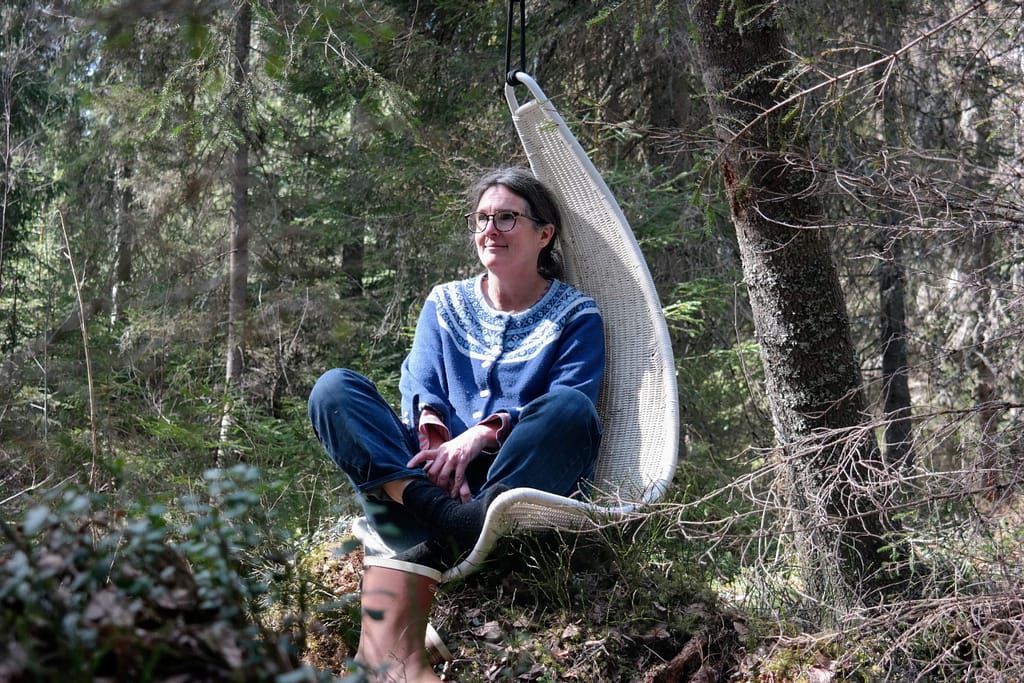
It is easy to think of silence as a vacuum—as the mere absence of something. But anyone who has ever sat at the edge of a forest at dawn knows how wrong that is. The silence of the forest is filled with sound: a pinecone dropping to the moss, the wind sighing through the canopy, the rustle of a bird somewhere in the undergrowth. This is not absence. It is a different kind of presence—one that demands absolutely nothing from you.
That is also why we never promise absolute, dead silence here at Näsets Marcusgård. The forest breathes, creaks, and whispers. But in the pauses between those sounds, something rare emerges: a space to listen—to the world, or to yourself. That is the gift we try to protect; not silence as a product, but silence as a possibility.
We were reminded of a conversation we had with a guest a while back, a man in his late seventies from Särna who has lived his entire adult life among the mountains. He mentioned how he had always taken his family out into nature, camping, hiking, and fishing. He didn’t present it as an achievement; it was simply what life looked like. And then he said, almost casually: “Silence isn’t something you just hear. It’s something you feel.”
He didn’t need retreats or scheduled nature experiences to understand that. But for many of us who didn’t grow up with the mountains or the forest right outside our window, it is no longer second nature. It is something we must actively seek out, and sometimes, learn all over again.
It is a strange irony that silence—something that used to be every human being’s everyday birthright—has become something we have to travel to experience. And something we willingly pay for. It is a symptom of something profound: we have built a world that denies the brain any rest, and then we began selling that rest back to ourselves.
Rising above the ground
It is no coincidence that designers and visionaries worldwide are looking upward, toward the canopy. In an featured piece by BBC Culture, the modern treehouse is celebrated as the ultimate retreat from urban living. It is about lifting our feet off the ground—and how that completely shifts our perspective. In a world engineered for more, the canopy quietly offers less. And, in doing so, suggests it might be enough.
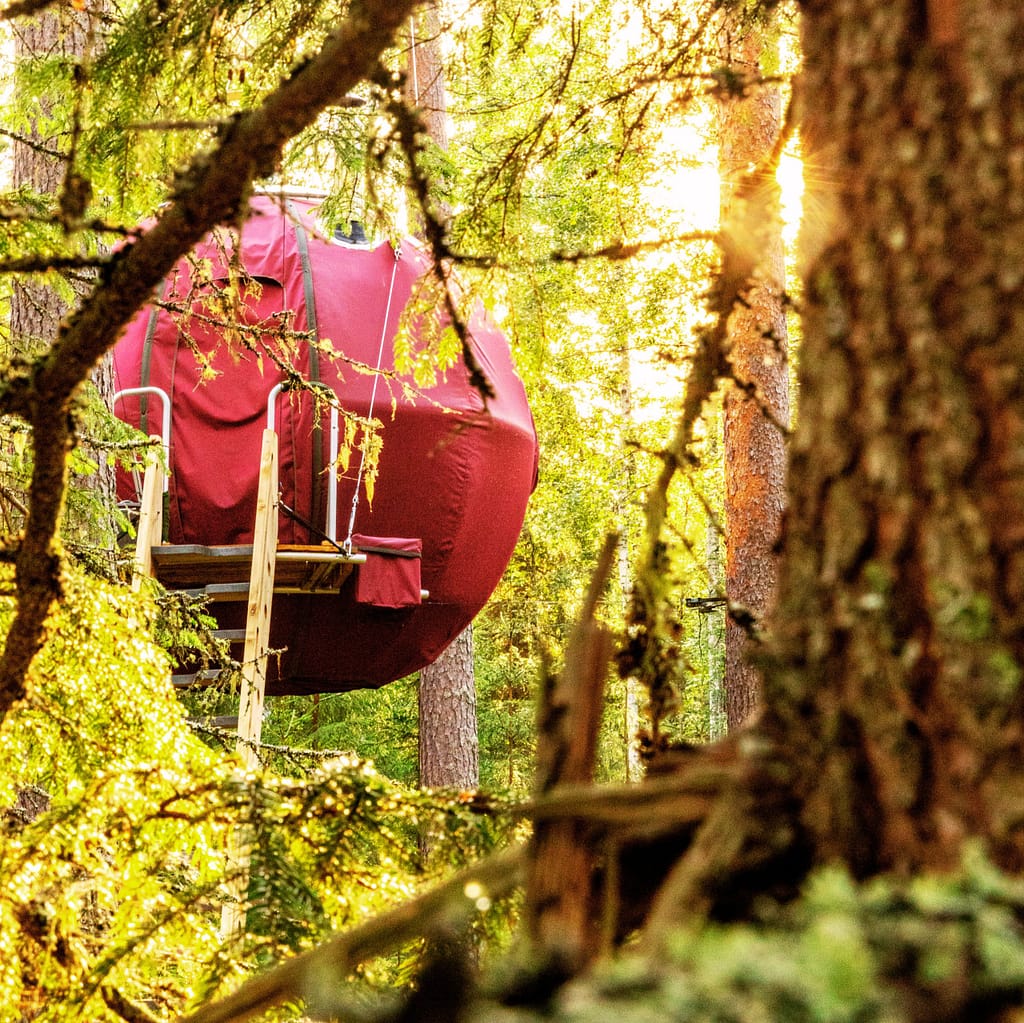
This is precisely the sentiment we wanted to capture when we suspended our red Tree Tent from the pines here at the farm. Stepping away from the earth allows you to step closer to your own core. As Willem recently shared in an interview with the BBC: “Being among the trees offers a small shift that feels immense. The world looks softer, time slows down, and even silence feels alive.”
The body does not recover at the same speed at which you arrive. A single overnight stay is rarely enough to lower your guard. The nervous system steps down from stress levels gradually, like a large house cooling down after a long, hot day. It is only after a few days that the pace truly slows. That is when you begin to notice things you haven’t seen in a long time—how the afternoon light shifts along the tree trunks, how stillness actually feels in your body, not just in your ears.
Perhaps that is where the true luxury lies. Not in the silence itself, but in what it renders possible: to not have to perform, explain, or be available. Walking barefoot through the morning dew just because it feels right. Following the Poesistigen without a destination, without counting your steps or needing to document every single moment.
It is not an escape. It is a return to a speed that aligns with how we are actually designed to function.
We learned that on a pavement in Paris. But it is much easier to understand in the forest.
Warmest regards, Mireille & Willem · Näsets Marcusgård